Author & Scholar
Writing about nature, science, and consciousness.
Associate Professor at Saint Louis University's Madrid campus. Author of fiction, poetry, and ecocritical scholarship.
Books, articles & interviews


Books
Timothy Ryan Day
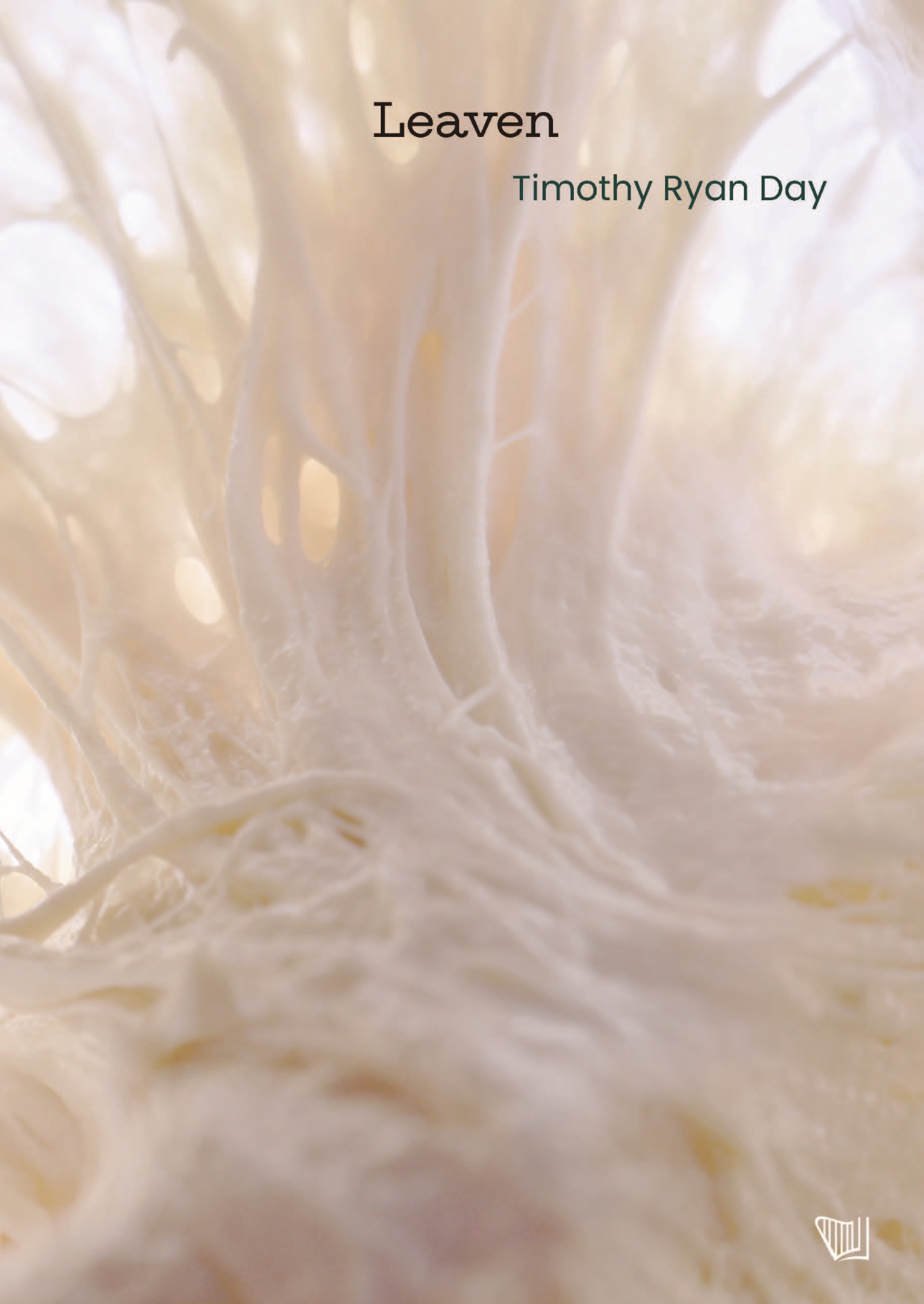
Ybernia Books · 2026Novel · Ybernia Books, 2026 New
The latest novel from Timothy Ryan Day, published in 2026. Purchase links coming soon.
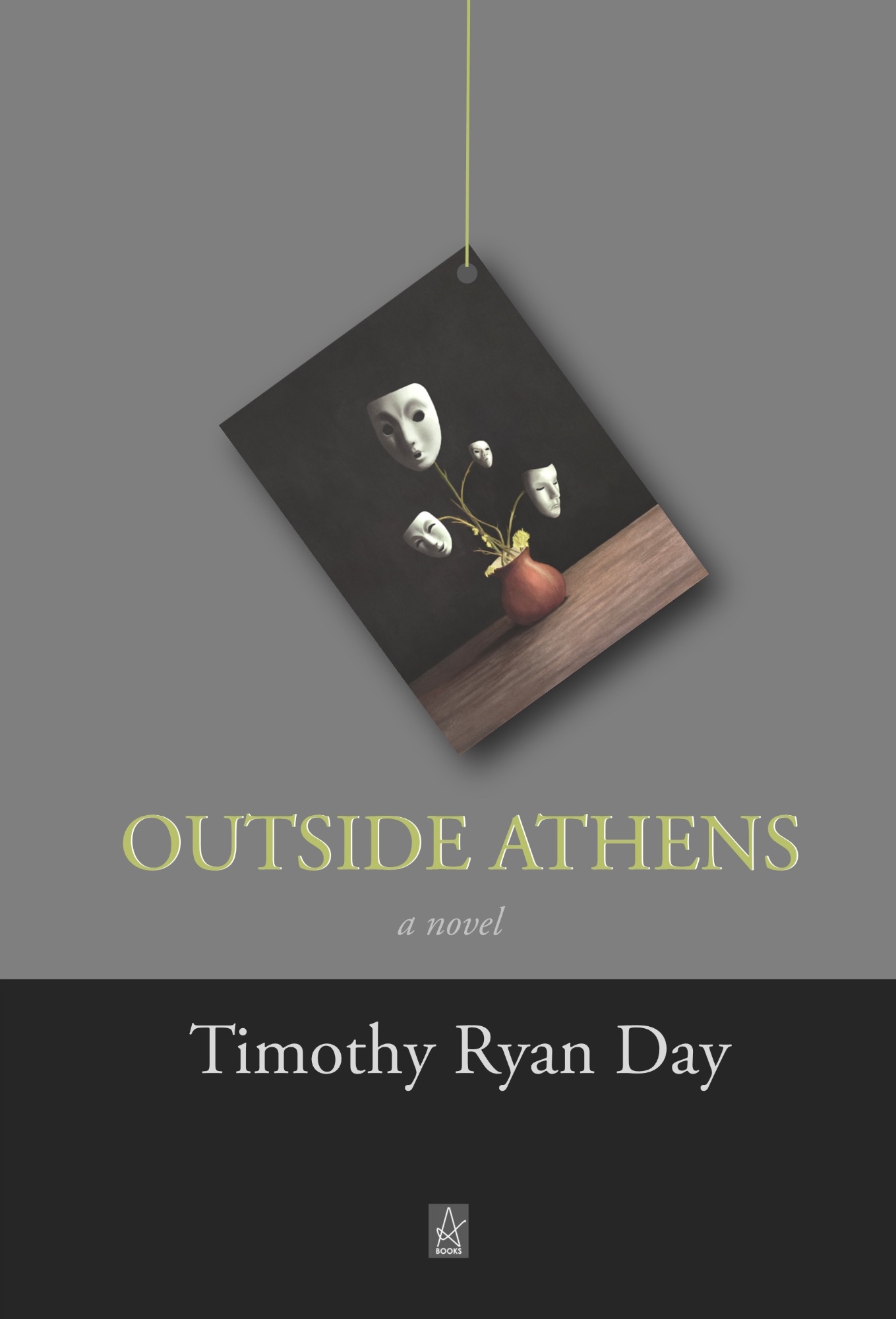
Novel · Adelaide Books, 2024
Two immense forms appear from underneath the ice melt of a glacier in a remote corner of Greenland. Everyone agrees that they exist, but individuals — and even media outlets — describe them in ways that defy common perception.
To Ethan, a Shakespeare professor in a midlife and marital crisis, they are Titania and Oberon — gods or aliens who have come to correct our course. To his daughter, an archaeologist, they are fungi spreading hallucinogenic spores across the globe. To her mother, an actress, they are empty forms for us to fill with our own needs. And to her old friend, a theatre director, they are tools to be moved and manipulated in the creation of some useful story.
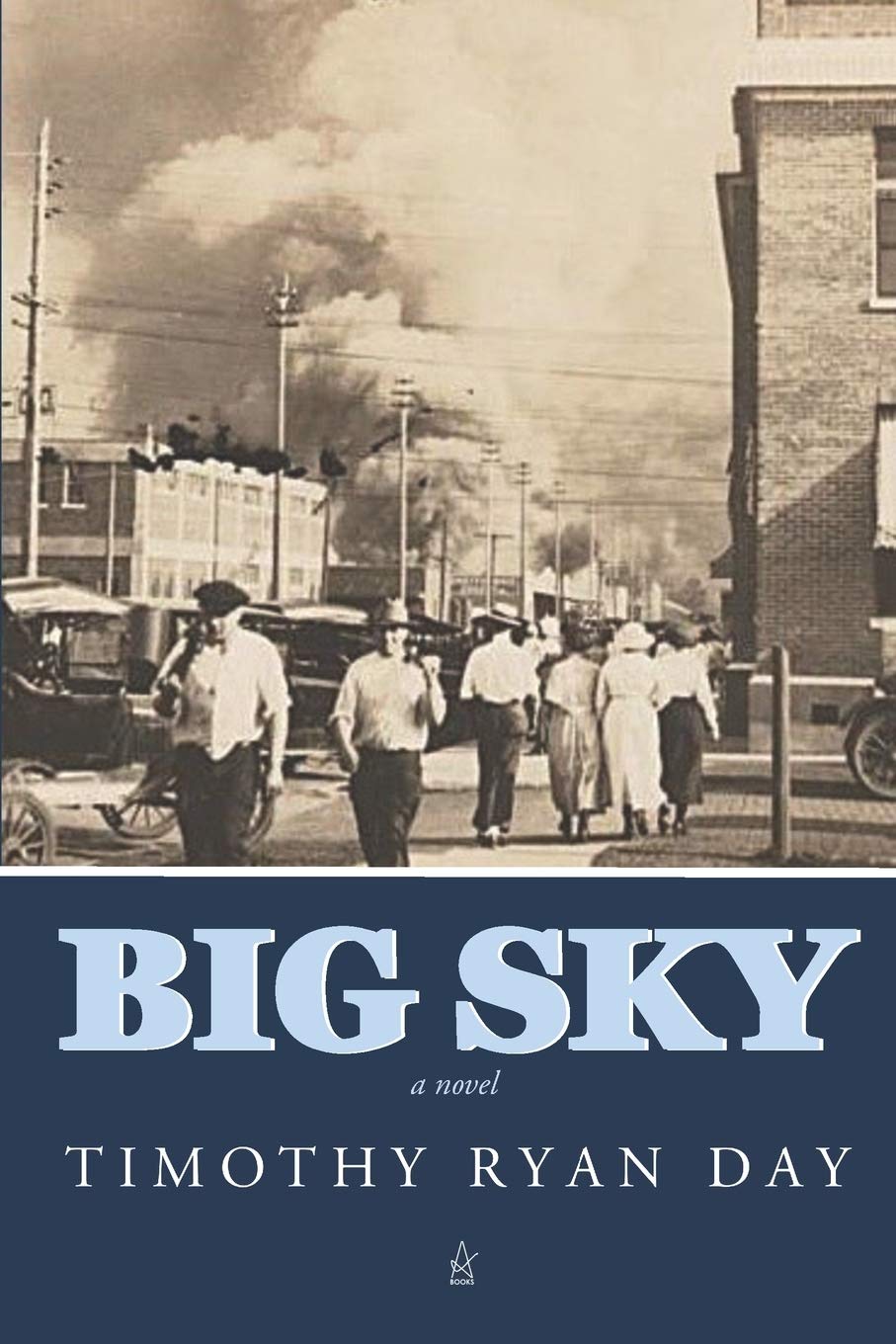
Novel · Adelaide Books, 2020
One of the most violent chapters in American history is also one of the least discussed. Big Sky illuminates the events of the Tulsa race riots in a modern, high-paced story combining historical fiction, magical realism, and a fresh voice.
The novel follows an unsuccessful rock musician of mixed race from Chicago as he hitchhikes to his stepmother's funeral in Tulsa, Oklahoma soon after the new millennium. The story that unfolds is one of two families — one white, one black — tied together by the events of the 1921 race riots, and a grandfather who was one part Heidegger, one part Nostradamus, and one part James Baldwin.
Scholarship · Routledge, 2021
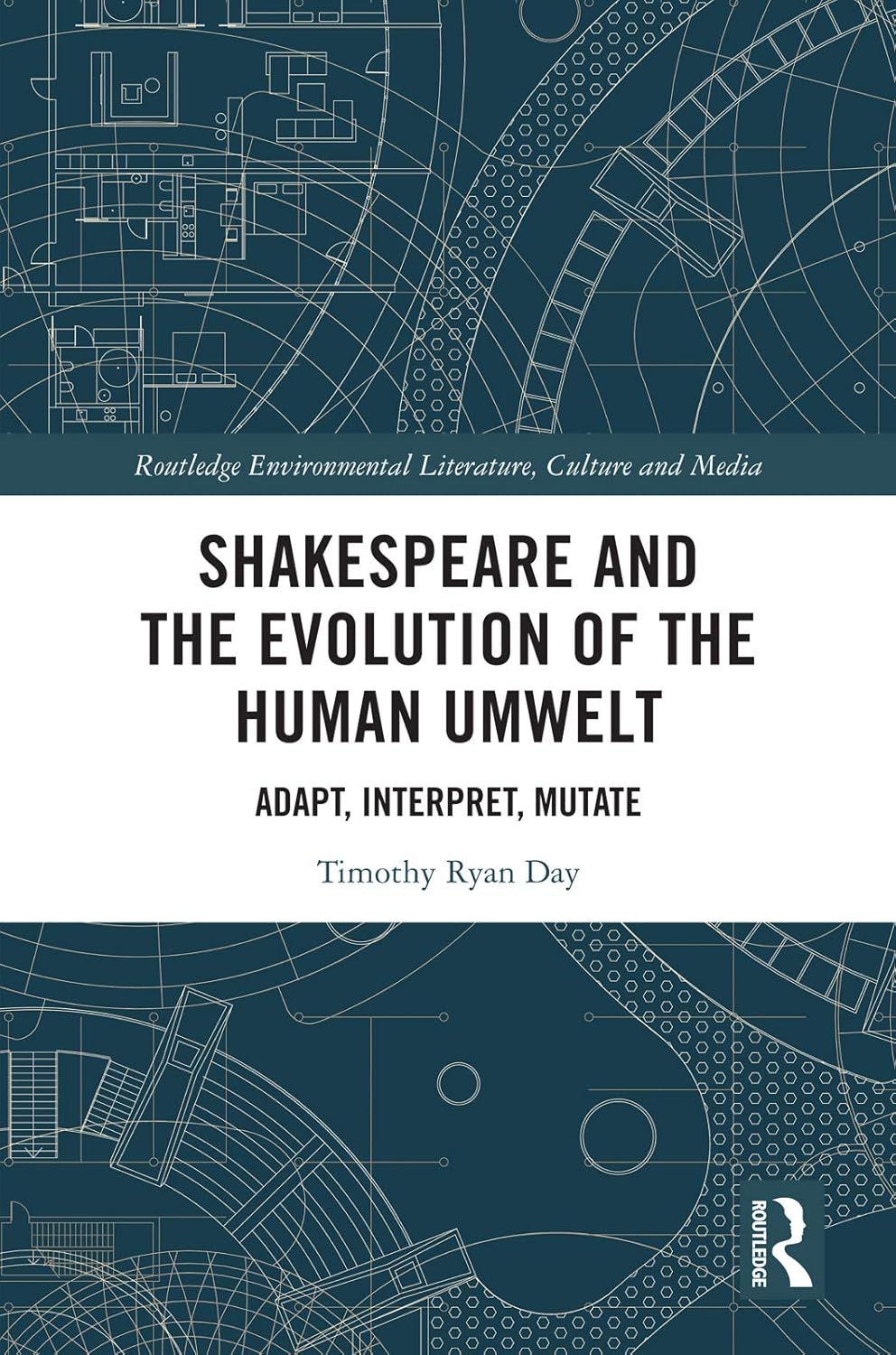
Bringing together research on Shakespeare, biosemiotics, ecocriticism, epigenetics, and actor network theory, this work explores the space between nature and narrative — seeking to understand how human bodies are stories told in the emergent language of evolution, and how those bodies became storytellers themselves.
Chapters consider Shakespeare's plays and contemporary works by Barbara Kingsolver and Margaret Atwood as evolutionary artefacts that helped shape the human umwelt. Plays are presented alternately as digitally encoded bits of culture, or as bacteria interacting with living organisms in both productive and destructive ways.
Poetry · Lemon Street Press, 2019
Timothy Ryan Day's first book of poetry is a meditation on the evolving relationship between mind, body, and the world they call home — exploring the porous boundaries between the human interior and the natural world, between thought and landscape, between what we inherit and what we make.
Praise
In this beautiful work of narrative scholarship, Ryan Day succeeds in probing both the intimate and planetary dimensions of green Shakespeare studies and environmental humanities theory. An impressively learned and engaging book, demonstrating the unexpected relevance of Shakespeare to contemporary environmental writing.
Scott SlovicUniversity of Idaho
This elegant and accomplished exercise in interwoven narrative history draws fascinating parallels between literature and biology — from the butterflies of Barbara Kingsolver to tumors in The Tempest — and delivers, with surprising prescience, an entirely new way of thinking about the present.
Rachel CorbettNew York
Sprawling in voice, locale, and era, Big Sky tackles the big questions, where ideology meets biology meets art meets metaphysics. All converging in history in Timothy Ryan Day's timely debut novel, with characters shaped by a century-old, true-life tragedy that may amount to the Rosetta Stone of America.
Duke HaneyAuthor
Articles & Interviews
T. Ryan Day
About the Author
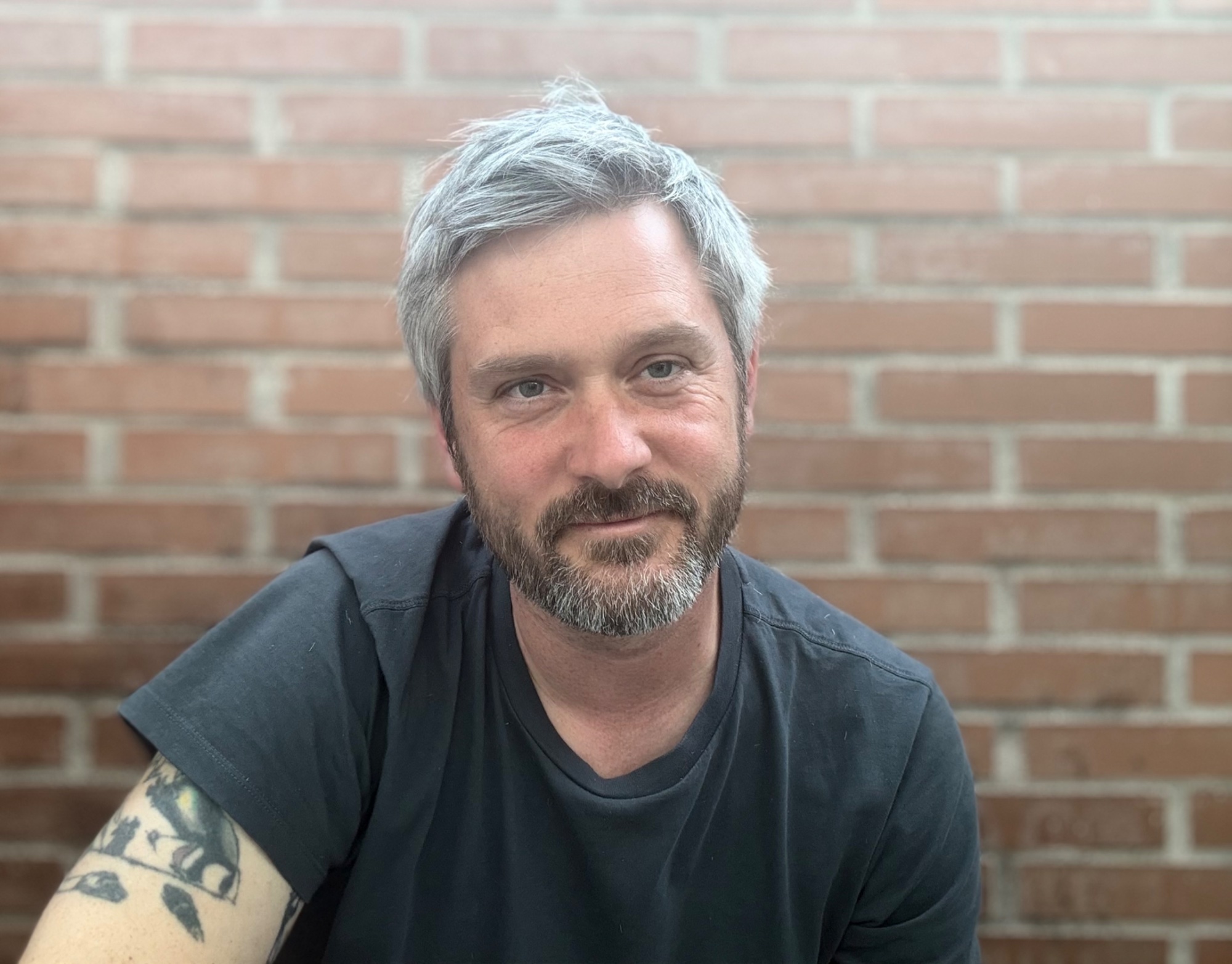
T. Ryan Day is a Madrid-based writer and professor of Creative Writing at Saint Louis University's campus in Spain. Born in Oklahoma and raised in Chicago after childhood stints in Colorado, Texas, and Georgia, he has taught at universities in the United States, China, France, and Spain, and is a Visiting Scholar at the Rachel Carson Center in Munich (2026).
He is the author of five books: the novels Leaven (2026), Outside Athens (2024), and Big Sky (2020); the poetry collection Green & Grey (2019); and Shakespeare and the Evolution of the Human Umwelt (Routledge, 2021). His fiction, essays, and criticism have appeared in academic, literary, and popular publications on both sides of the Atlantic, and he was a longtime contributor to Brad Listi's The Nervous Breakdown and to the Madrid arts magazine Vaya Madrid.
Ph.D. in English Literature, Arizona State University — Early Modern Theater
M.A. in English Literature, Saint Louis University
Máster en Estudios Culturales y Literarios, Universidad Autónoma de Madrid
B.A. in English Literature, Northeastern Illinois University
Associate Professor, Saint Louis University–Madrid (2020–)
Assistant Professor, Saint Louis University–Madrid (2011–2020)
Visiting Scholar, Rachel Carson Center, Munich (2026)
Visiting Senior Lecturer, American University of Paris (2024)
Teaching Assistant, Arizona State University (2009–2011)
Instructor, Scottsdale Community College (2009–2011)
Instructor, Shantou University, China (2008–2009)
Deep Narratives: From Microbiomes to AI · Ecocriticism · Introduction to Shakespeare · Alchemists, Cooks & Witches · Milton · Travel Writing · Nature, Ecology & Literature · Food and Literature · Monsters of Europe · Creative Writing: Fiction · Creative Writing: Memoir
The Leavening Word: Shakespeare, the Microbiome, and Re-imagining the Artificial
Scholarship Opportunity Fund Grant (2026) — Research travel to Rachel Carson Center, Munich
Research Grant (2025) — Production of Seeds of Fate video game
Student Government Teaching Award (2019, 2021)
Collaborative Inquiry Core Fellow (2023) · Ignite Core Fellow (2021)
Quarterfinalist, American Zoetrope Screenplay Contest (2010)
Faculty Senate President (2025–) · Faculty Senate VP (2023–2025) · Saint Louis Literary Award Committee (2023–) · Yeast! Conference co-organizer (2025) · Modern? Conference co-organizer (2024)